
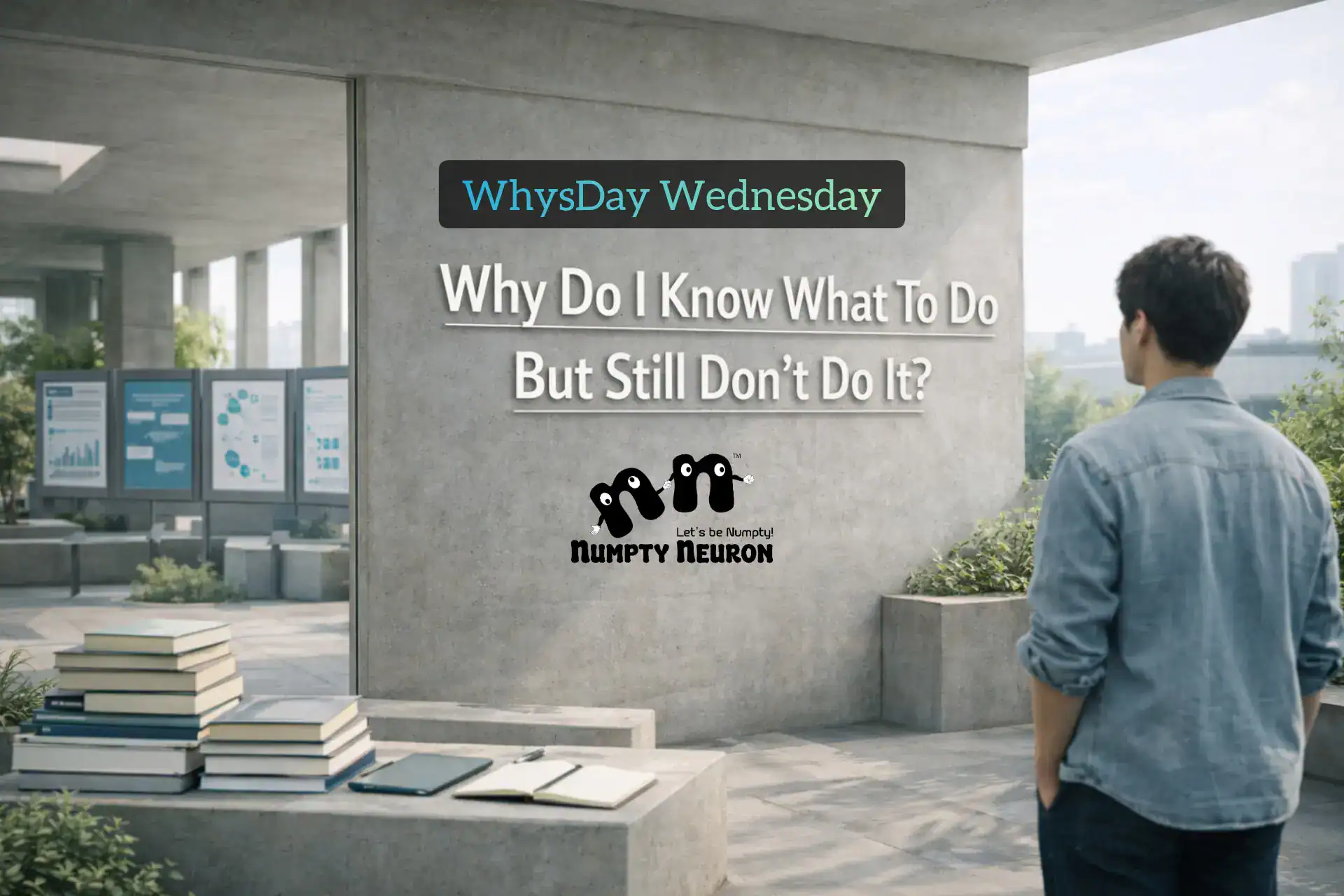
Why You’re Not Taking Action (Even When You Know What To Do)
Ever felt completely clear on what to do and still wonder why you’re not taking action?
It is more common than people admit, and it is not always about discipline. There is something deeper at play that most people overlook, especially in today’s uncertain environment.
You’re not stuck because you lack knowledge. If that were true, most people would already be where they want to be. What’s actually happening is harder to admit and far more relevant to the world we’re living in right now.
The Illusion of Readiness in an Unstable World
We like to believe that action comes after clarity. That once things “make sense,” we’ll naturally move. But look at the current environment, global tension, ongoing conflicts, economic shifts, and constant exposure to uncertainty. Whether you consciously follow it or not, your system absorbs it.
And here’s the part people don’t talk about. Your brain quietly redefines what “ready” means during uncertain times.
It raises the bar.
Not in a visible way, but internally. What once felt like a small step now feels like something that requires more certainty, more confidence, more control. So you keep preparing, thinking you’re getting closer to action, while the definition of “ready” keeps moving further away.
You don’t notice it happening. You just feel like it’s “not the right time yet.”
When Knowing Becomes a Safe Place to Hide
There’s a strange comfort in knowing what to do but not doing it. It protects something important, your self-image.
As long as you haven’t acted, your potential remains untouched. You can still believe, “If I really tried, I could do this.” That belief is powerful, and your mind doesn’t give it up easily.
But the moment you act, things become real. Now there are outcomes. Feedback. Imperfections. And most importantly, a new standard, you no longer get to say “I haven’t started yet.”
So what happens? You stay in a loop where you’re close enough to feel productive, but not exposed enough to be tested.
From the outside, it looks like hesitation. From the inside, it feels like you’re just being thoughtful.
The Hidden Cost of Constant Awareness
We often underestimate how much the current information environment shapes behavior. It’s not just a distraction; it’s psychological saturation.
When you’re constantly exposed to high-stakes global events, your mind starts operating in a subtle defensive mode. Not panic, not fear, but a low-level sense that things are unpredictable.
And unpredictability does something very specific: it reduces your willingness to take initiative.
Because initiative is, at its core, a form of risk. Even small actions, putting your ideas out there, committing publicly, trying something new, require a level of internal stability.
When the external world feels unstable, your system compensates by pulling you toward safer patterns. Planning instead of doing. Consuming instead of creating. Thinking instead of committing.
You’re not being lazy. You’re adapting.
But that adaptation is costing you progress.
The Shift from Growth to Self-Preservation
In stable environments, people naturally lean toward growth, taking risks, exploring, and building. But in uncertain environments, the priority shifts to preservation.
This shift is subtle, but it changes everything.
You start valuing control over progress. You avoid situations where outcomes are unclear. You delay actions that could expose you to judgment or failure. And you justify it with logic that sounds completely reasonable.
“I’ll start when I have more clarity.” “I just need a bit more time.” “I want to do it properly.”
All of it sounds right. But underneath, it’s the same pattern: protect first, act later.
The problem is, “later” never arrives in the way you expect.
The Real Reason Why You’re Not Taking Action
It’s not that you don’t know what to do; it’s that you still don’t see why you’re not taking action in the way you want to. It’s that acting requires you to move without the emotional guarantee that things will be okay.
And right now, most people are unconsciously waiting for that guarantee.
They want to feel certain before they begin. Safe before they commit. Clear before they move.
But that feeling isn’t coming back, not in the way it used to.
So the gap between knowing and doing keeps growing.
What Changes Everything
The turning point isn’t learning more or finding better strategies. It’s recognizing that the feeling you’re waiting for is not a prerequisite for action.
It’s something that comes after.
The people who are moving forward right now aren’t more disciplined or more motivated. They’ve just stopped treating uncertainty as a stop signal.
They’ve accepted that clarity will be partial, timing will never feel perfect, and confidence will lag behind action.
And instead of resolving that tension, they move with it.
That’s the part most people don’t see. And that’s why it feels like everyone else has something you don’t.
They don’t.
They’re just no longer waiting for the world or themselves to feel ready.
A Small Shift That Actually Works
If you’ve read this far, you don’t need more information. You need a different way of working with yourself.
Not more motivation. Not more pressure.
Just a simple shift.
Start smaller than your mind respects, but stay more consistent than your past attempts. Act before you feel fully ready, but don’t try to force massive change overnight. Most importantly, stop trying to solve this alone inside your own head.
Because this isn’t just about action, it’s about patterns you can’t always see clearly by yourself.
Sometimes, the fastest way forward is having the right structure, the right perspective, and someone who can show you what you’re missing while you’re in it.
If you feel like you’ve been stuck in this loop longer than you should be, it might be time to approach it differently:
Explore how we at Numpty Neuron help professionals break this cycle and actually start executing.
At Numpty Neuron, every Wednesday is a chance to think deeper and share your insights. Subscribe to our newsletter, where fresh perspectives arrive just when you need them most.


No comments yet. Be the first to share your thoughts!